The Write-Off Problem: Why Self-Employed Borrowers Get Declined and How to Fix It
Self-employed borrowers often get declined because business deductions reduce taxable income. Bank statement loans use actual deposits instead.
The Mortgage Go Blog
Plain-English notes on rates, programs, qualifying, and the questions buyers and owners actually ask.
USDA eligibility is based on the property's location, not the borrower's occupation. Many suburbs qualify. Here is how to check any address in 60 seconds.
Self-employed borrowers often get declined because business deductions reduce taxable income. Bank statement loans use actual deposits instead.
A construction loan finances a new home in stages called draws. This guide explains one-time vs two-time close and what to expect.
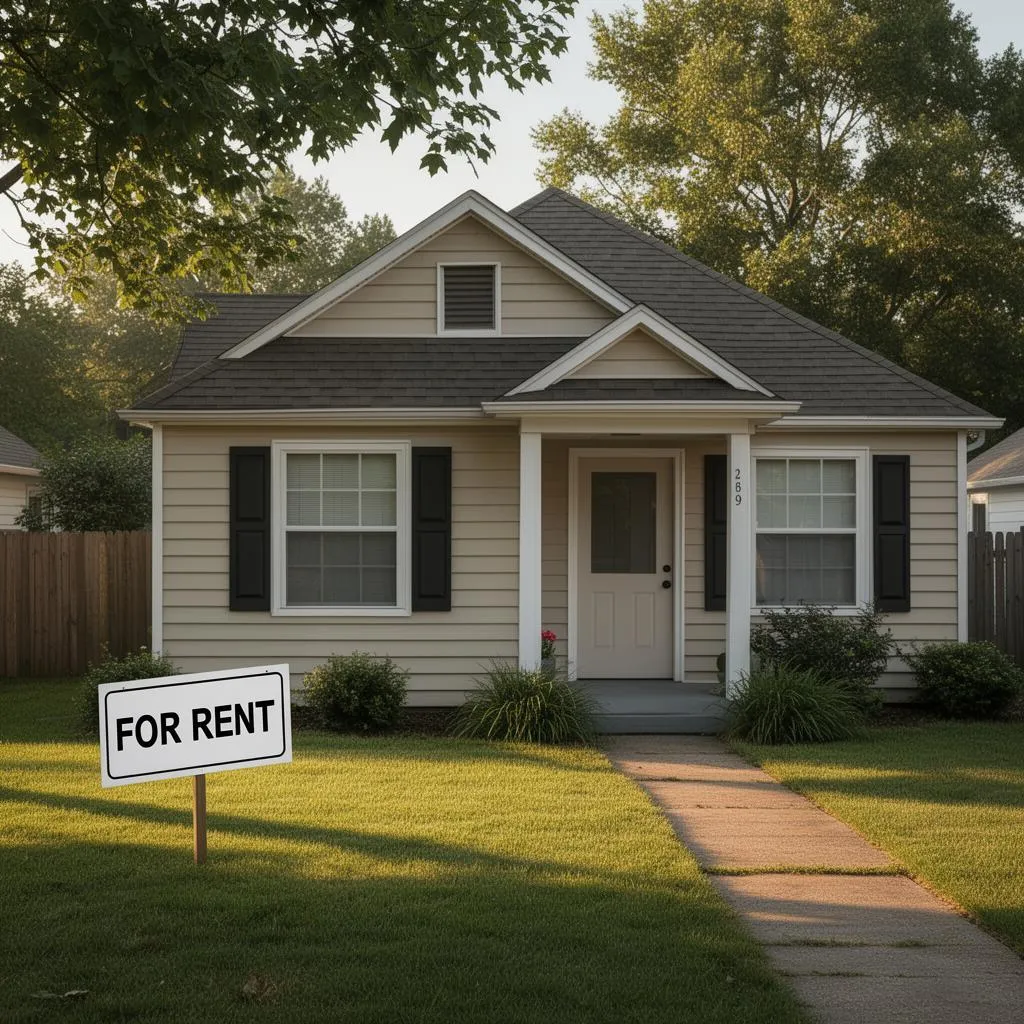
Whether to rent or buy in 2026 depends on your timeline, local market, and break-even. Here is how to actually run the math.
Your credit score directly affects your mortgage rate. These six steps can improve your score meaningfully in 3 to 6 months before you apply.

Rates have eased from their 2023 to 2024 highs but the path forward depends on inflation and economic data. What buyers should actually do.

Veterans with a 10% or higher service-connected disability rating are typically exempt from the VA funding fee. Here is how to make sure you do not pay it.

Pre-approval letters are typically valid 60 to 90 days. If yours expired, here is how to renew it and what to watch for during the process.

A DSCR below 1.0 means rental income does not fully cover the mortgage. Some lenders still approve. Here are the levers that move the ratio.

Your debt-to-income ratio drives your maximum loan amount. The exact calculation at two income levels and the programs that allow more.