What Credit Score Do You Need to Buy a House?
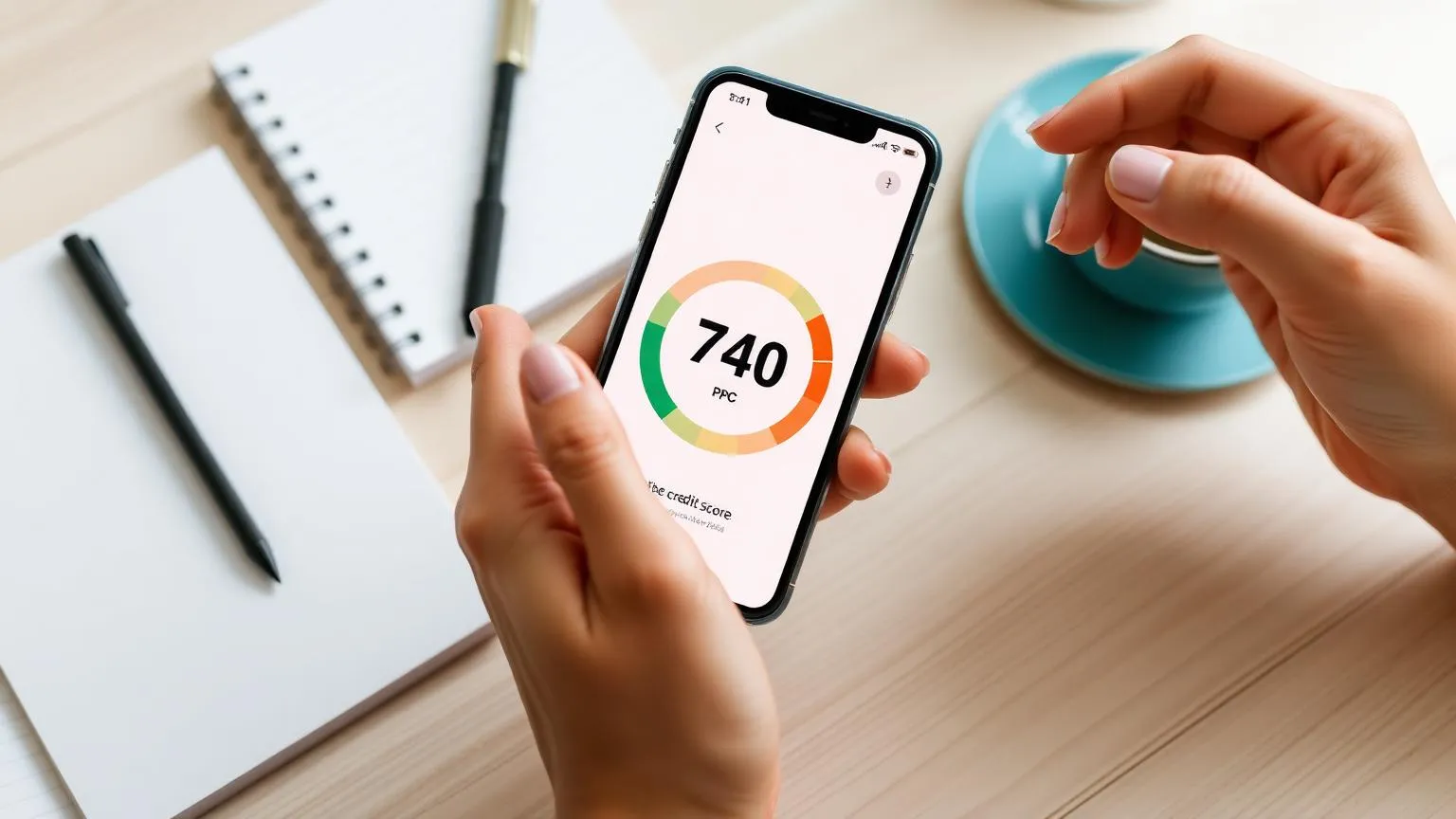
The minimum credit score to buy a house depends on the loan program. FHA loans accept scores as low as 500 with 10% down or 580 with 3.5% down. VA and USDA loans have no published minimum but most lenders require 580 to 640. Conventional loans typically require 620. Higher scores qualify for lower interest rates, with the best pricing reserved for scores of 740 and above.
Key facts
- FHA minimum
- 500 with 10% down, 580 with 3.5% down
- VA minimum (lender overlay)
- 580 to 620
- USDA minimum (typical)
- 640
- Conventional minimum
- 620
- Best-rate tier
- 740 and above
| Loan program | Minimum score | Down payment | Notes |
|---|---|---|---|
| FHA | 500 | 10% | Score 580+ qualifies for 3.5% down |
| VA | No federal minimum | 0% | Most lenders apply a 580 to 620 overlay |
| USDA | No federal minimum | 0% | Most lenders require 640 for automated underwriting |
| Conventional (Fannie/Freddie) | 620 | 3% to 20% | Best rates at 740+ |
| Jumbo | 680 to 720 | 10% to 20% | Lender-specific, often 700+ |
| DSCR (investor) | 620 to 680 | 20% to 25% | Qualifies on rental income, not borrower DTI |
| FHA 203(k) renovation | 580 | 3.5% | Same as standard FHA |
Source: FHA Handbook 4000.1, VA Lenders Handbook, Fannie Mae Selling Guide
What is the minimum credit score to buy a house?
There is no single national minimum. Each loan program sets its own floor, and individual lenders often layer on tighter requirements called overlays. The lowest documented floor is 500 for an FHA loan with 10% down. The most common practical minimum across all programs is 620.
If your score is below 620, FHA is usually the first option to review. If your score is above 740, you qualify for the best available pricing on conventional and jumbo programs.
How does your credit score affect your mortgage rate?
On a conventional loan, your interest rate is set by your credit score tier and your loan-to-value ratio. Fannie Mae and Freddie Mac publish loan-level price adjustments that raise the rate or add upfront cost for lower scores. The difference between a 620 score and a 740 score on the same loan can be 0.50% to 1.25% in rate, which is tens of thousands of dollars over a 30-year term.
FHA and VA loans use risk-based pricing as well but the spreads are flatter. A 620 FHA borrower and a 720 FHA borrower see similar base rates. That is one reason FHA is the standard recommendation for borrowers below 680.
| Credit score tier | Rate adjustment vs. 740+ tier |
|---|---|
| 740 and above | Baseline (best pricing) |
| 720 to 739 | +0.125% to +0.25% |
| 700 to 719 | +0.25% to +0.50% |
| 680 to 699 | +0.50% to +0.75% |
| 660 to 679 | +0.75% to +1.00% |
| 640 to 659 | +1.00% to +1.25% |
| 620 to 639 | +1.25% or more |
Source: Fannie Mae LLPA matrix, illustrative
Which credit score do mortgage lenders use?
Mortgage lenders pull all three bureaus (Equifax, Experian, TransUnion) and use the middle of the three FICO scores. If you have two co-borrowers, the lender uses the lower of the two middle scores. This is different from the score you see on Credit Karma or your bank app, which usually shows VantageScore.
The specific FICO versions used for mortgages are FICO 2 (Experian), FICO 4 (TransUnion), and FICO 5 (Equifax). These older models weight certain items differently than newer scores, so your mortgage score is often 20 to 40 points lower or higher than your consumer-facing score.
How can you raise your credit score before applying?
Three actions move a mortgage score the fastest. Each can produce a meaningful change within 30 to 90 days.
- Pay down revolving balances to under 30% of each card limit, and ideally under 10%. Utilization is the second-largest factor in your FICO score after payment history.
- Dispute and remove inaccurate derogatory marks. Federal law requires bureaus to investigate disputes within 30 days. Errors are common and the removal is often immediate.
- Become an authorized user on a well-aged account with low utilization and no late payments. The full history of that account can post to your file inside one billing cycle.
Avoid closing old credit cards, even unused ones. Closing an account reduces your total available credit, raises your utilization ratio, and shortens the average age of your accounts. All three pull your score down.
Can you buy a house with a 500 credit score?
Yes, on FHA with 10% down. The FHA Handbook 4000.1 sets the floor at 500 with a 10% down payment, but the practical reality is harder. Most FHA lenders apply a 580 overlay, and a smaller group will go to 550. Only a handful underwrite to the full 500 floor.
If you are at 500 to 579, expect to call multiple lenders, document compensating factors (large reserves, low DTI, stable employment), and accept a slightly higher rate. Working with a broker who knows which lenders go below 580 saves weeks of phone calls.
Can you buy a house with no credit score?
Yes. FHA, VA, and USDA all allow manual underwriting using non-traditional credit. The lender builds a credit profile from 12 months of on-time payments on items like rent, utilities, insurance, cell phone, and child care.
Manual underwriting takes longer than automated approval and the file needs strong compensating factors: low DTI, larger reserves, and a stable two-year employment history. If you have a thin file rather than no file, opening a secured credit card and using it lightly for 6 months usually produces a usable score.
Do all borrowers on the loan need the same credit score?
No, but the lower score usually controls the rate. When two borrowers apply together, the lender uses the lower of the two qualifying scores to set pricing and program eligibility. If one borrower has a 760 score and the other has a 620 score, the loan prices off the 620.
If the higher-scoring borrower earns enough to qualify alone, removing the lower-scoring co-borrower from the loan can save significant cost over time. The lower-scoring borrower can still be on the title and live in the home; they just are not on the mortgage.
Video guide
Video companion coming soon. The video will mirror this guide step by step and answer the title question in the first 20 seconds.
Ready to take the next step?
See what you qualify for. 5-minute pre-qualification with a licensed loan officer. No hard credit pull.
Helpful next steps
Frequently asked
What is the lowest credit score to buy a house?
The lowest published floor is 500 on an FHA loan with 10% down. Most FHA lenders apply a 580 overlay, so practically you need 550 to 580 to find a lender. VA loans have no federal minimum but lender overlays usually start at 580 to 620.
What credit score do you need for a conventional mortgage?
The minimum credit score for a conventional loan backed by Fannie Mae or Freddie Mac is 620. The best pricing is reserved for borrowers with scores of 740 or above. Each 20-point tier between 620 and 740 affects the rate or upfront cost.
Is a 650 credit score good enough to buy a house?
Yes. A 650 score qualifies for FHA, VA, USDA, and conventional loans. The rate will be higher than at 740, but the loan options are open. Many first-time buyers close with scores in the 640 to 680 range.
How long does it take to raise your credit score 100 points?
With targeted action, 100 points typically takes 6 to 12 months. The fastest gains come from paying down revolving balances below 30% utilization, removing inaccurate derogatory marks through disputes, and avoiding new credit applications during the rebuild period.
Does checking your own credit score lower it?
No. Checking your own credit is a soft inquiry and has no effect on your score. Only hard inquiries from new credit applications affect your score, and even those are minor and short-lived.
Will paying off collections raise my credit score?
It depends on the scoring model. FICO 8 and older models still count paid collections against you. FICO 9, FICO 10, and VantageScore 3.0 and 4.0 ignore paid collections. Mortgage lenders use older FICO versions, so paying a collection may not raise your mortgage score even if it raises your consumer score.
What credit score do you need for first-time homebuyer programs?
Most state and local first-time homebuyer programs follow FHA minimums of 580 with 3.5% down. Some programs require 620 to 640 for down payment assistance grants. Specific requirements vary by state, so confirm with a loan officer licensed in your state.
Credit score minimums and pricing tiers shown reflect general industry standards as of 2026 and are subject to change. Individual loan approval depends on full underwriting review including income, assets, and property. Rate examples are illustrative, not a commitment to lend. Encompass Lending Group, LP NMLS #292897. Equal Housing Opportunity.